Ongoing Research Projects Supported by COEIR
Hybrid slurries with high CO2 uptake potential for 3D printing of carbonated cementitious material structures (Principal Investigator: Dr. Sharu BK)
(Grant Number: FP-01/COEIR/2024 COEIR Support: INR 1,50,000)
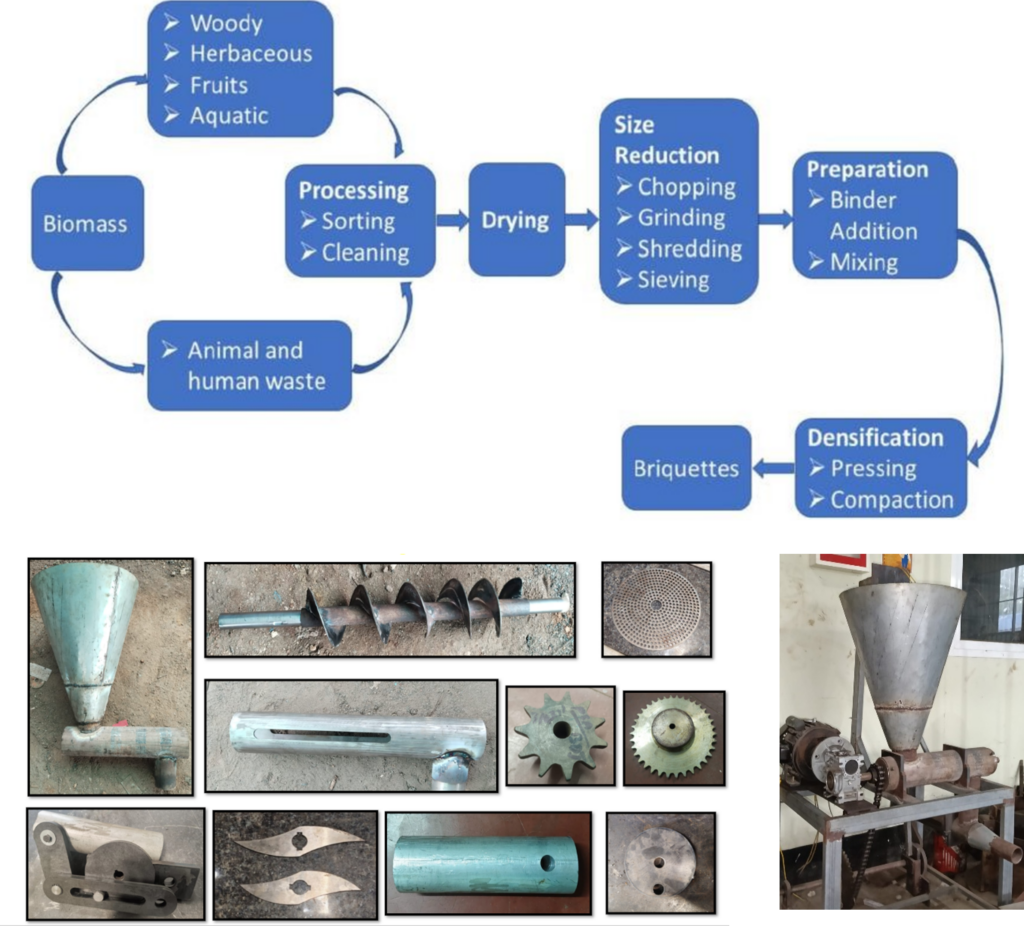
This research project focuses on developing sustainable 3D-printable building materials that significantly reduce environmental impact through carbon capture. By utilizing mineralized cellulose material (MCM) and specialized binders, the team has created hybrid slurries capable of absorbing high levels of carbon dioxide during the curing process. Their findings indicate that adding these mineralized fibres enhances the flexural strength and mechanical performance of the structures compared to traditional cement. The researchers have also engineered a custom carbonation reactor to precisely control environmental variables like temperature and humidity, ensuring rapid mineralization. Ultimately, the work aims to establish design guidelines for creating carbon-negative construction components with superior durability and high print fidelity.
Development of metal hydride based thermal energy storage system (Principal Investigator: Dr. Vinod Kumar Sharma)
(Grant Number: FP-03/COEIR/2024 COEIR Support: INR 6,00,000)
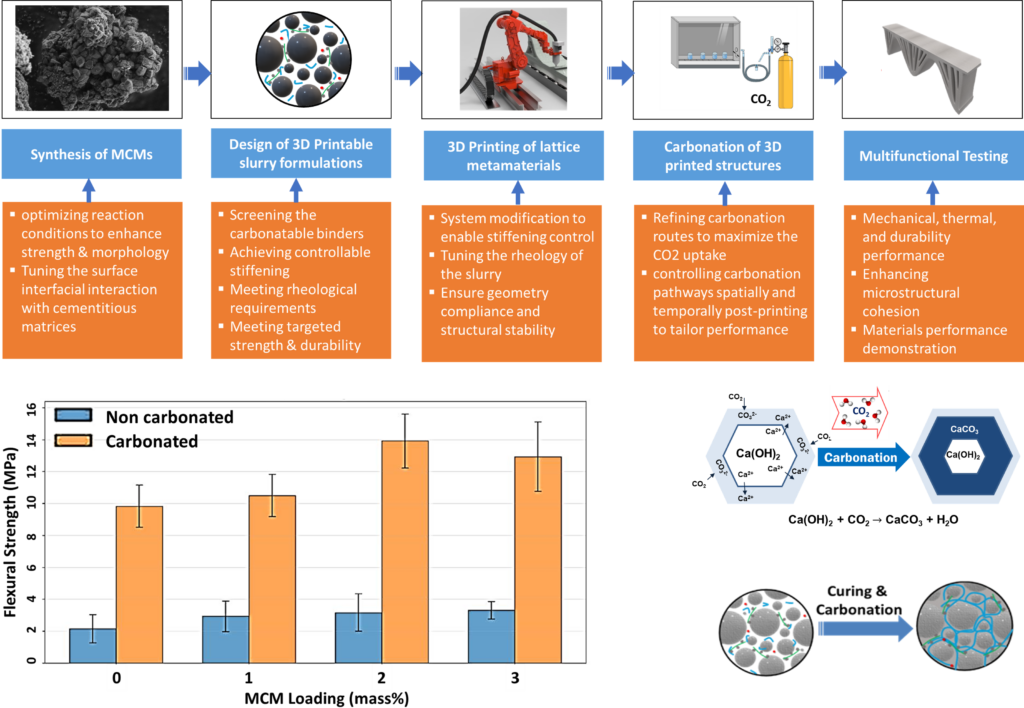
This research is to develop a thermal energy storage system utilizing metal hydrides. The project involves characterizing specific materials using Sievert’s Apparatus and designing advanced reactors that facilitate energy storage through the chemical absorption and desorption of hydrogen. The experimental setup involves two distinct reactor designs featuring internal and external fins for improved heat transfer. The two-year timeline outlines a progression from material procurement and numerical analysis to system fabrication and final performance testing. Overall, the work contributes to the field of clean energy by exploring efficient thermochemical methods for storing and retrieving power.
Upcycling of thermocol waste for cost-effective lap board using natural fibers/tetra pack carton waste towards sustainability: waste to wealth (Principal Investigator: Dr. Sandip Rudha Budhe)
(Grant Number: FP-04/COEIR/2024 COEIR Support: INR 1,50,000)
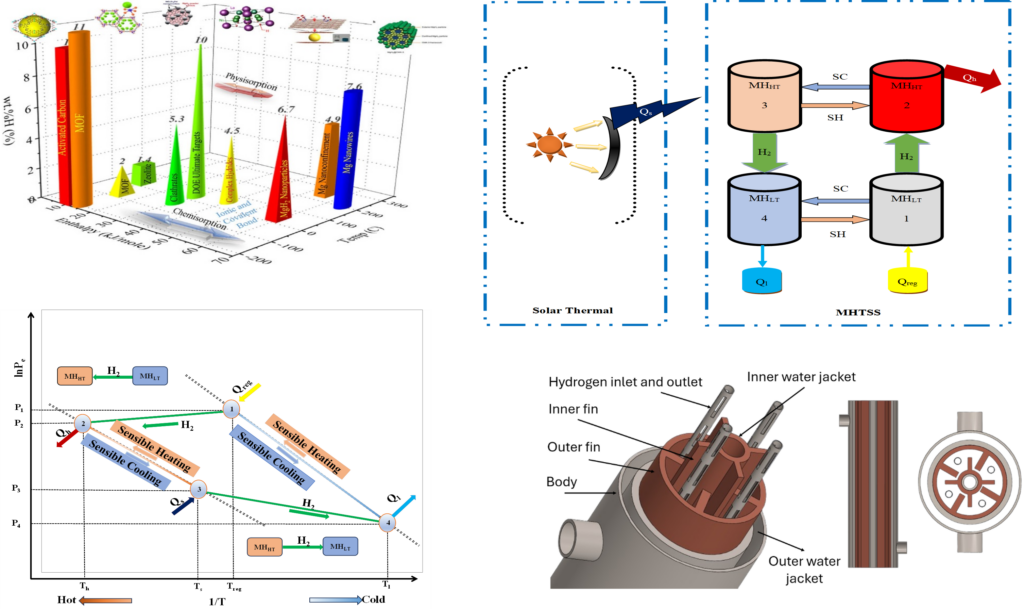
This research focuses on transforming expanded polystyrene (thermocol) waste into high-value composite lap boards. By integrating natural fibres and discarded tetra pack cartons, the research aims to create a sustainable “waste to wealth” solution for the construction industry. Technical analysis shows that these upcycled composites can achieve a superior balance of flexural strength, stiffness, and low density when compared to traditional materials like plywood or MDF (Medium-Density Fiberboard). Success has already been demonstrated through the creation of Expanded Polystyrene (EPS 60) composites using specialized chemical binders to improve fibre adhesion. Moving forward, the team intends to explore 3D printing for complex shapes and further refine panels using heat and pressure treatments. This initiative contributes to the circular economy by providing an eco-friendly and cost-effective alternative for modern building applications.
Design and Fabrication of a small-scale briquetting machine for leafy biomass stock generated in and around NIT Calicut (Principal Investigator: Dr. T.J. Sarvoththama Jothi)
(Grant Number: FP-05/COEIR/2024 COEIR Support: INR 2,00,000)
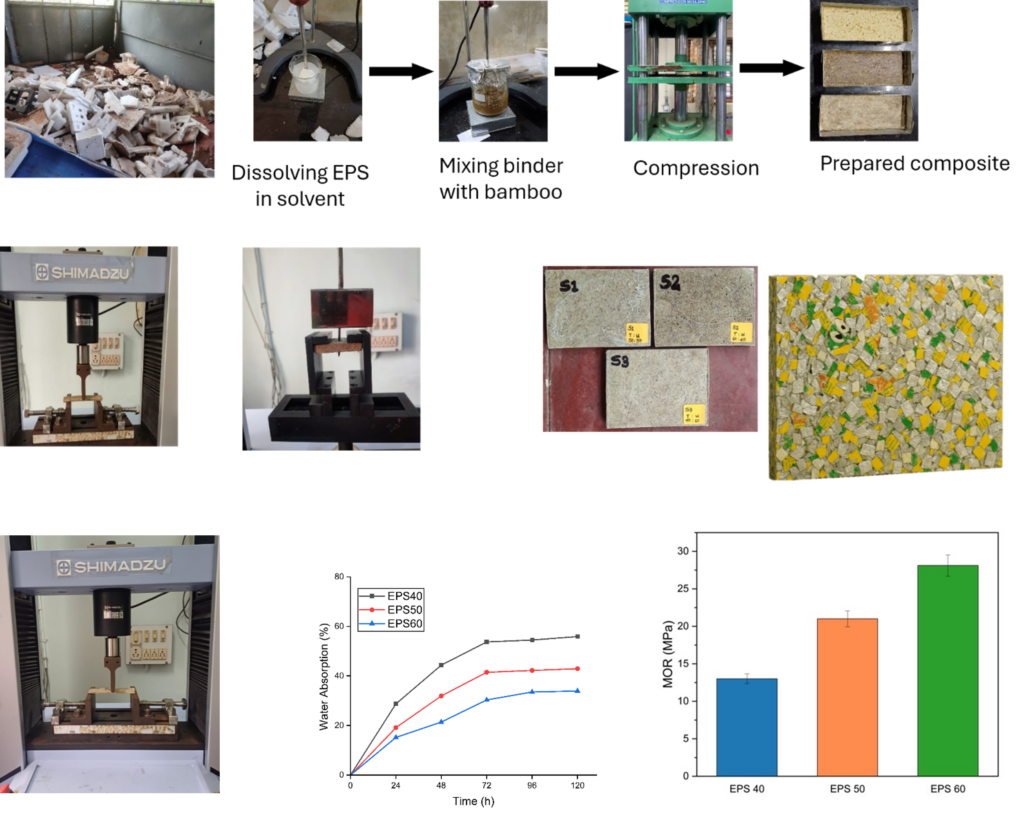
The research focusses on the design and fabrication of a compact briquetting machine. This engineering initiative aims to convert leafy biomass found around the campus into standardized fuel cylinders measuring 4 cm in diameter. The system integrates several mechanical stages, including shredding, sieving, and densification, using components like a conical hopper and a screw conveyor. While the physical assembly of the machine is underway, the project team still needs to perform actual tests with raw materials and finalize their technical publications. Future goals for the Centre for Clean Energy and Circular Economy include fine-tuning the moving parts and incorporating internship students into the research process.